Pay in installments of $5.85 with
 ,
,
 and
and

Shipping Estimate
USA
- USA
- CAN
- USA
- CAN
Ships within 48 hours · Estimated delivery Jul 5 - Jul 10
 Promo Codes Available:
For Your Every Summer RSVP, with Code: SUMMER15
Description
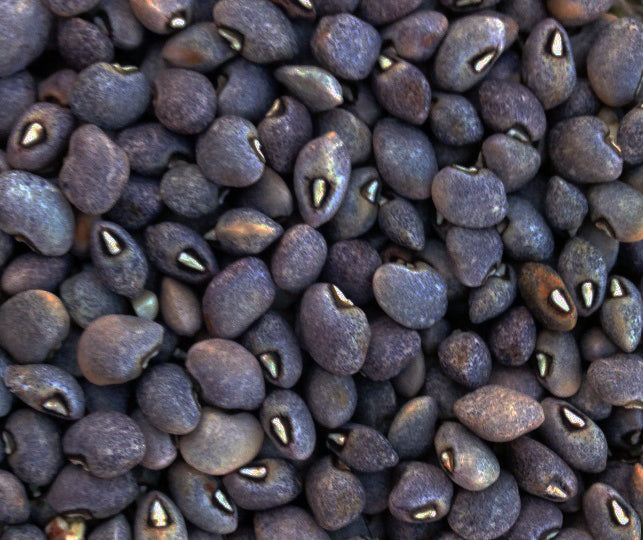
garden pea seed Blue Goose African (Field) Pea – UJAMAA SEEDSVigna unguiculata Seeds per packet ~ 40 Germination: 80% Oct 2025 Packed for 2026 Grower: Appalachian Seed Growers Collective Origins and HistoryThe Blue Goose African (Field) Pea (Vigna unguiculata) is an heirloom variety rooted in the agricultural traditions of the American South, with ancestry tracing back to Africa where cowpeas have been cultivated for thousands of years. Likely introduced to North America during the transatlantic slave trade,
Vigna unguiculata
Seeds per packet ~ 40
Germination: 80% Oct 2025 Packed for 2026
Grower: Appalachian Seed Growers Collective
Botanical Origins of Vigna unguiculata
Vigna unguiculata, commonly known as cowpea, black-eyed pea, or southern pea, is a species of legume that originated in sub-Saharan Africa. Its wild relatives are native to tropical regions of West Africa, where the plant evolved in dry savanna ecosystems characterized by seasonal rainfall and poor soils. Genetic and archaeological evidence points to the Sahel region—spanning modern-day Niger, Nigeria, and Burkina Faso—as the primary center of domestication. This region’s fluctuating climate favored plants that could tolerate drought, leading to the selection of early cowpea types adapted to marginal soils and variable moisture. The species’ genetic diversity is greatest in Africa, supporting its identification as the evolutionary cradle of the crop.
History of Domestication
Domestication of Vigna unguiculata likely began more than 3,000 years ago, when early African farmers began selecting plants with larger seeds, less pod shattering, and improved taste. These cultivated forms were closely associated with the rise of settled agriculture in West African communities that also grew millet and sorghum. Archaeobotanical finds from central Ghana and the Niger River basin confirm cowpea’s early presence in African farming systems. Its rapid domestication was driven by its multipurpose utility—as a source of protein-rich seeds, edible leaves, and soil-enriching green manure.
Spread and Diversification
From West Africa, domesticated cowpea spread along ancient trade routes both within Africa and beyond. It moved eastward into Ethiopia and down into southern Africa, where it diversified under local growing conditions and cultural preferences. Through trans-Saharan trade and contact with the Mediterranean world, Vigna unguiculata reached India by around 2,000 years ago, and later spread to Southeast Asia. The species was introduced to the Americas in the 16th–17th centuries via the transatlantic slave trade, where enslaved Africans carried seeds and culinary traditions that became embedded in Southern U.S. food culture. In the Americas, cowpea adapted to new environments and diversified into varieties such as the black-eyed pea, clay, cream, and crowder types. Today, it is a global crop cultivated across tropical and subtropical regions, valued for its resilience, nitrogen-fixing ability, and central role in food security.
Shipping Notes
- Free Standard Shipping on $100+ Orders to the USA.
- Except Preorder products are shipped in 48 hours.
- Delivery to the USA:
- Standard Shipping : 3-10 business days
- If time is of the essence, please consider selecting expedited delivery for faster service.
Exchange/Return Notes
- We offer a 30-day return/exchange service after receiving.
- Final sale items are not eligible for returns or exchanges.
- To process your return/exchange, please contact us at [email protected]
- Please click here for more details>>> Return & Exchange Policy