Pay in installments of $6.42 with
 ,
,
 and
and

Shipping Estimate
USA
- USA
- CAN
- USA
- CAN
Ships within 48 hours · Estimated delivery Jul 5 - Jul 10
 Promo Codes Available:
For Your Every Summer RSVP, with Code: SUMMER15
Description
beavertail cactus vs prickly pear cactus Buy Beavertail Prickly Pear Phoenix, AZ | O. basilarisPhoenix's Most Colorful Native Cactus Stunning Magenta Blooms on Zero Water Beavertail Prickly Pear (Opuntia basilaris) is one of the Sonoran Desert's most stunning native cacti and one of the easiest to grow. Its flat, paddle shaped pads are blue green and completely spineless to the touch (though covered in tiny glochids), and every spring it erupts in brilliant magenta pink flowers that stop traffic. Extremely drought tolerant once established,
Phoenix's Most Colorful Native Cactus — Stunning Magenta Blooms on Zero Water
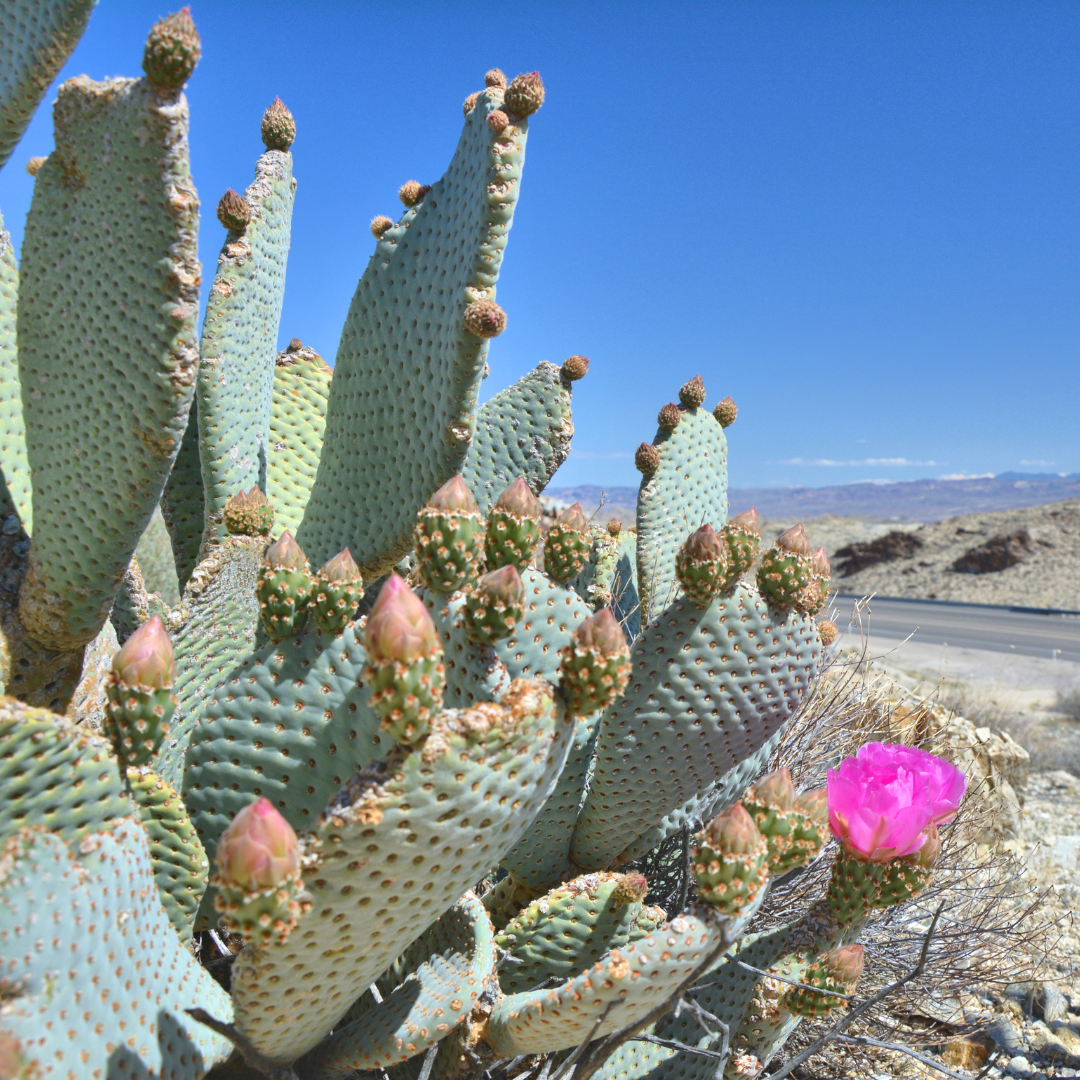
Beavertail Prickly Pear (Opuntia basilaris) is one of the Sonoran Desert's most stunning native cacti — and one of the easiest to grow. Its flat, paddle-shaped pads are blue-green and completely spineless to the touch (though covered in tiny glochids), and every spring it erupts in brilliant magenta-pink flowers that stop traffic. Extremely drought-tolerant once established, Beavertail Prickly Pear thrives on neglect and handles the worst Phoenix summer heat without flinching. Whether you're building a native desert garden in Scottsdale, adding color to a xeriscape border in Mesa, or creating a low-water foundation planting in Chandler — Beavertail Prickly Pear delivers year-round desert beauty with almost zero maintenance.
Beavertail Prickly Pear Plant Details
| Attribute | Detail |
|---|---|
| Scientific Name | Opuntia basilaris |
| Common Names | Beavertail Prickly Pear, Beavertail Cactus |
| Mature Height | 1–2 feet |
| Mature Width | 2–4 feet |
| Growth Rate | Moderate — 1–2 new pads per year in Phoenix |
| Sun | Full sun (6+ hrs). Handles reflected heat from walls and pavement. |
| Water | Very low once established. Extremely drought-tolerant. |
| USDA Zones | 8–11 (Phoenix is Zone 9b–10a) |
| Soil | Well-draining. Thrives in Arizona caliche and rocky soils. |
| Foliage | Evergreen — blue-green pads year-round |
| Bloom Color | Brilliant magenta-pink in spring (March–May) |
Beavertail Prickly Pear Uses in Phoenix Landscapes
Desert Garden Showpiece
Beavertail Prickly Pear is the star of any native desert garden. Plant it as a focal point surrounded by decomposed granite and boulders. Its blue-green pads provide year-round color, and the spring bloom display is one of the most spectacular of any cactus. Pair with Desert Marigold, Ruellia, and Agave for a layered desert garden look.
Xeriscape Borders & Edging
At just 1–2 feet tall, Beavertail Prickly Pear works perfectly as a low border plant along walkways, driveways, and property edges. Space plants 2–3 feet apart for a continuous low border. Its compact size keeps sight lines clear while adding texture and seasonal color.
Rock Garden & Slope Planting
Beavertail Prickly Pear excels on rocky slopes and in boulder-accented rock gardens where drainage is excellent and irrigation is minimal. Plant among Desert Spoon, Barrel Cactus, and Agave for a natural Sonoran Desert hillside look that requires almost no upkeep.
Wildlife-Friendly Landscapes
The magenta blooms attract native bees, butterflies, and hummingbirds in spring. After flowering, the cactus produces small fruits that desert birds and wildlife feed on. A great choice for Gilbert, Tempe, or Peoria homeowners looking to support local pollinators.
Best Time to Plant Beavertail Prickly Pear in Phoenix
Fall (October–November) is ideal — the soil stays warm enough for root establishment while cooler air temperatures reduce transplant stress. The plant gets 6–8 months of root growth before its first Phoenix summer. Spring (February–April) is the second-best window. Avoid planting in summer if possible.
How to Plant Beavertail Prickly Pear
- Dig wide, not deep — 2–3x the root ball width, same depth as the container.
- Check for caliche — break through any hardpan layer to ensure drainage.
- Backfill with native soil — Beavertail prefers lean, well-drained soil. Skip heavy amendments.
- Spacing — 2–3 feet apart for borders; 3–4 feet for individual specimen plants.
- Water basin — build a 3–4 inch ring around the plant to direct water to roots.
- Mulch — 2–3 inches of gravel or decomposed granite (not bark mulch, which holds too much moisture for cacti).
Watering Beavertail Prickly Pear in Phoenix
First Year Watering Schedule
- Weeks 1–2: Every 3–4 days, deep and slow
- Month 1–3: Every 7–10 days
- Month 3–6: Every 10–14 days (weekly in peak summer)
- After Year 1: Every 2–3 weeks in summer; monthly or less in winter
Drip Irrigation
Place one 1-GPH emitter 12–18 inches from the base. Established Beavertail Prickly Pear needs very little supplemental water — overwatering is the most common cause of problems with this cactus.
How fast does Beavertail Prickly Pear grow in Phoenix?
Beavertail Prickly Pear grows at a moderate pace, adding 1–2 new pads per growing season. It reaches its full 1–2 foot height and 2–4 foot spread within 3–5 years in Phoenix conditions.
Is Beavertail Prickly Pear drought tolerant?
Extremely. Once established (after the first year), Beavertail Prickly Pear can survive on rainfall alone in most Phoenix-area landscapes. It's one of the most drought-tolerant cacti available.
Does Beavertail Prickly Pear have spines?
It has no large spines like most prickly pears. However, the pads are covered in tiny hair-like glochids that can irritate skin on contact. Plant it where people won't brush against it, and wear gloves when handling.
Can Beavertail Prickly Pear handle Phoenix summer heat?
Absolutely. It's a Sonoran Desert native that thrives in full sun, reflected heat, and 115°F+ temperatures. No shade protection needed.
When does Beavertail Prickly Pear bloom?
In the Phoenix Valley, Beavertail Prickly Pear typically blooms from March through May, producing stunning magenta-pink flowers that last several weeks.
You May Also Like
- Purple Prickly Pear — Vibrant purple pads with yellow blooms; a bold color contrast in any desert garden.
- Engelmann's Prickly Pear — Larger native prickly pear with yellow flowers; great for screening and wildlife.
- Indian Fig Prickly Pear — Edible fruit producer that grows tall and creates a dramatic focal point.
- Spineless Prickly Pear — Smooth, spineless pads perfect for high-traffic areas near pools and patios.
- Desert Spoon — Silvery rosette that pairs beautifully with low prickly pears for a layered desert look.
How Many Beavertail Prickly Pear Do I Need?
Beavertail stays low at 1 to 2 ft tall and spreads 2 to 4 ft wide, so it makes a tidy low border, a rock-garden focal point, or a wildlife color cluster. For a continuous low border along a walkway or driveway, set plants on 2.5 ft centers. For specimen groupings, space 3 to 4 ft apart.
| Border Run Length | Plants Needed (2.5 ft centers) |
|---|---|
| 10 ft | 4 to 5 plants |
| 20 ft | 8 to 9 plants |
| 30 ft | 12 to 13 plants |
As a single desert-garden focal point, one plant works. For a fuller native vignette, group 3 to 5 plants in odd numbers 3 ft apart. Keep pads a step back from paths and play areas so no one brushes the fine glochids.
Beavertail Prickly Pear Season-by-Season in Phoenix
- Spring (Feb to Apr): Brilliant magenta-pink flowers bloom March through May, drawing native bees, butterflies, and hummingbirds, followed by fresh pad growth. Strong second planting window.
- Summer (May to Sep): A Sonoran native that thrives in full sun, reflected heat, and 115°F-plus days. Small fruits follow the bloom and feed desert birds. Monsoon rain (Jul to Sep) usually covers its water needs, so back off the drip to avoid rot.
- Fall (Oct to Nov): Prime planting season as the soil holds warmth and the air cools.
- Winter (Dec to Jan): Evergreen and dormant. Hardy in the low desert to about 15°F, so no winter protection is needed in the Valley.
At a Glance
✔ Arizona Native ✔ Heat-Loving (Reflected-Heat Tolerant) ✔ Drought-Tolerant ✔ Evergreen ✔ Low-Maintenance ✔ Pollinator-Friendly ✔ Hummingbird-Friendly ✔ Deer & Rabbit-Resistant ✔ Cold-Hardy to 15°F
Plant It With
- Engelmann's Prickly Pear: A larger native prickly pear with yellow flowers for scale and wildlife value.
- Indian Fig Prickly Pear: A tall edible-fruit producer that gives vertical contrast behind the low pads.
- Baby Rita: A compact purple-padded prickly pear that echoes the magenta blooms.
- Desert Spoon: A silvery rosette that layers height into the native desert grouping.
Is Beavertail Prickly Pear Right for Your Yard?
Beavertail is an ideal fit for a full-sun native or xeriscape bed, rocky slope, or low border with fast-draining or caliche soil, and it asks for almost no water once established. It is not a fit for a soft, high-traffic, child-and-pet play area, since the fine glochids irritate skin and are best kept a step back from walkways.
Shipping Notes
- Free Standard Shipping on $100+ Orders to the USA.
- Except Preorder products are shipped in 48 hours.
- Delivery to the USA:
- Standard Shipping : 3-10 business days
- If time is of the essence, please consider selecting expedited delivery for faster service.
Exchange/Return Notes
- We offer a 30-day return/exchange service after receiving.
- Final sale items are not eligible for returns or exchanges.
- To process your return/exchange, please contact us at [email protected]
- Please click here for more details>>> Return & Exchange Policy